

Process
Elevating Sound. Perfecting Vision
Phase 1: Discovery & Concept Design
This phase is about defining the "Scope of Work" (SOW) before a single wire is pulled.
Needs Analysis: Interviews with the client or architects to determine lifestyle requirements (Residential) or operational goals (Commercial).
System Budgeting: Aligning the brand tier (e.g., Savant vs. Crestron) with the client’s investment level.
Initial Space Planning: Identifying equipment room locations (MDF/IDF), rack space requirements, and cooling needs for high-heat components like Parasound or Storm Audio amplifiers.
Phase 2: Detailed Engineering & Documentation
High-level integrators never "wing it." This phase produces the blueprint for the entire project.
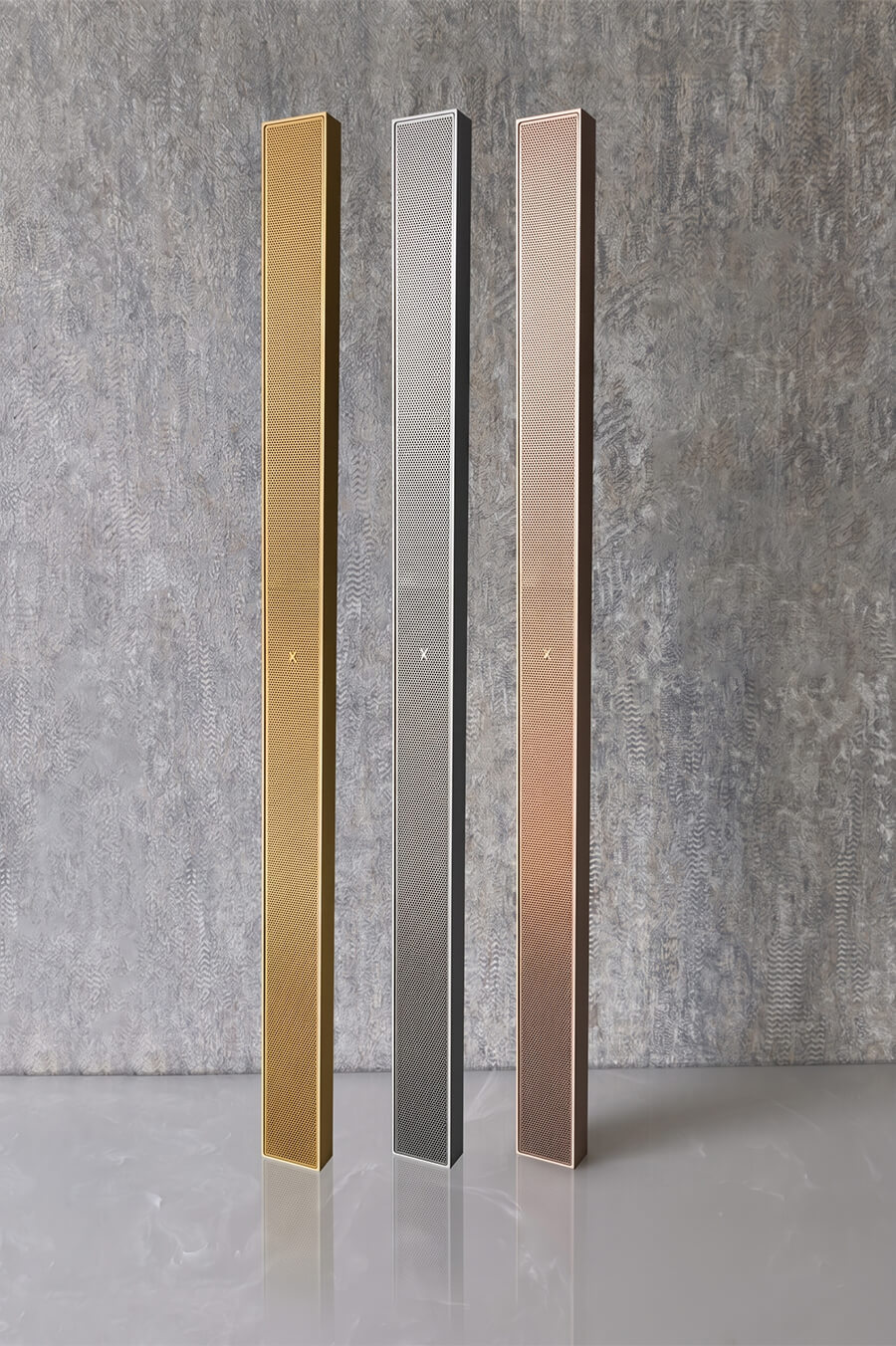
Low Voltage Wiring Plan: Mapping every Kordz or XSCACE cable, categorized by color code (Data, Audio, Control).
Lighting & Load Schedules: Designing the KNX/DALI logic and Lutron module counts.
Thermal & Power Management: Calculating BTU output for racks and specifying power conditioners to protect sensitive McIntosh or Trinnov circuitry.
Schematics: Creating "As-Built" drawings using software like D-Tools or AutoCAD.
Phase 3: Infrastructure (Rough-In)
This occurs during the "open wall" stage of construction.
- Conduit & Cabling: Pulling high-bandwidth Kordz HDMI and speaker wire.
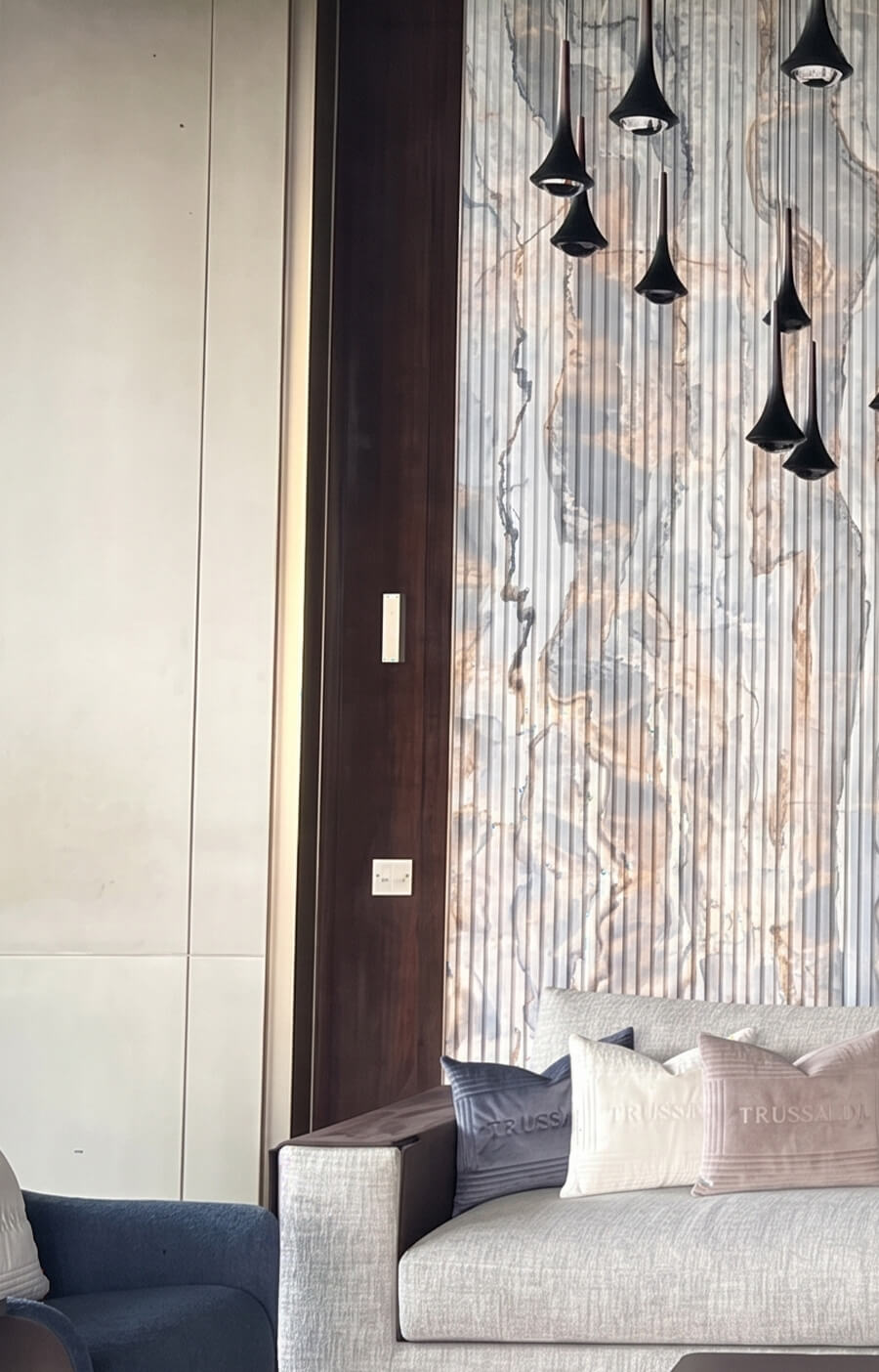
- Backbox Installation: Precise placement for Basalte or Meraaki keypads (alignment is critical for high-end aesthetics).
Acoustic Treatment Planning: If installing Ascendo or JBL Synthesis, this is when structural acoustic measures are integrated into the walls.
Phase 4: Implementation (Trim Out)
Once the walls are closed and the environment is clean/dust-free.
- Rack Building: Equipment is often pre-built and tested at your lab/office before being moved to the site.
- Terminal Connections: Terminating all XSCACE and Kordz wires with precision connectors.
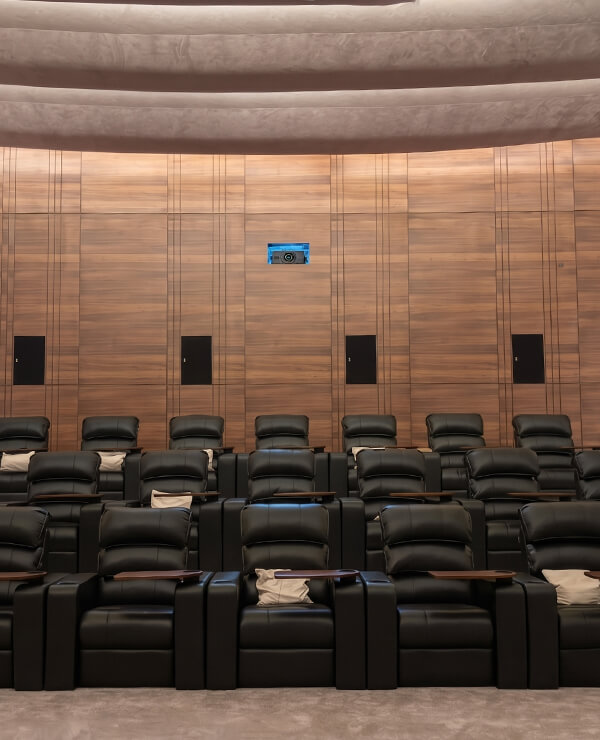
- Device Installation: Mounting Architectura Sonora outdoor speakers, Samsung/Sony displays, and Barco/JVC projectors.
- HVAC Integration: Connecting Coolmaster to the VRV/VRF systems to bridge the gap between the HVAC and the Control4/Savant UI.

Phase 5: Programming & Commissioning
The "Brain" of the system comes to life.
- System Logic: Programming the Crestron/Savant logic for "Scenes" (e.g., "Cinema Mode" which dims Lutron lights, closes shades, and boots the MadVR/Kaleidescape stack).
- KNX/DALI Addressing: Programming the individual ballasts and ensuring the Jung or Basalte keypads provide tactile, responsive feedback.
- Network Optimisation: Configuring the enterprise-grade network with Air-Live Routers, Switches and Access Points required to support high-traffic Sonos or Savant ecosystems.
Phase 6: Calibration (The Performance Gap)
This is what separates a "handyman" from a "CEDIA Pro."
- Audio Calibration: Using Trinnov Optimizer or StormAudio calibration tools to align time, phase, and frequency response, especially crucial for Acapella or Legacy Audio systems.
- Video Calibration: ISF-level calibration for JVC or Barco projectors and MadVR processors to ensure color accuracy and HDR mapping.
- User Interface (UI) Customization: Tailoring the touchscreens so they are intuitive for the client.
Phase 7: Handover & Support
- Client Training: A walkthrough of the system.
- Documentation Package: Delivering a "Project Bible" containing all IP addresses, serial numbers, and wire maps.
- Remote Management: Setting up proactive monitoring (like OvrC or Domotz) to fix issues before the client notices.